Agriculture in India is passing through a phase of rapid transformation. While our nation is endowed with immense biodiversity, rich natural resources, and a strong agricultural heritage, the sector today faces several emerging challenges such as climate change, declining soil and water resources, shrinking and fragmented land holdings, falling groundwater levels, rising input costs, low productivity, and the need for greater mechanization and diversification. In Punjab particularly, sustainable agriculture and efficient livestock management have become essential for ensuring the long-term prosperity of farming communities.
In this changing scenario, the role of Krishi Vigyan Kendras (KVKs) has become more significant than ever. Established by the Indian Council of Agricultural Research (ICAR), KVKs serve as dynamic institutions for assessment, refinement, and dissemination of agricultural technologies at the grassroots level. They act as a vital link between research institutions and farming communities by providing need-based scientific guidance, skill development, and technology transfer in agriculture and allied sectors.
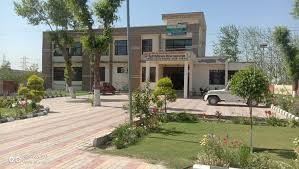
Krishi Vigyan Kendra, Tarn Taran, functioning under the aegis of Guru Angad Dev Veterinary and Animal Sciences University, has been continuously striving to empower farmers, rural youth, and farm women through innovative extension activities, vocational trainings, frontline demonstrations, and on-farm testing programmes. Situated in the border district of Tarn Taran, the KVK has emerged as a leading centre for promoting sustainable and profitable farming practices with a multidisciplinary approach.
The KVK is actively engaged in the fields of crop production, animal husbandry, horticulture, fisheries, and allied enterprises. Special emphasis is being laid on conservation and promotion of the indigenous Nilli Ravi buffalo germplasm, scientific livestock management, fodder production and conservation, crop residue management, natural resource management, and soil test-based balanced fertilizer application. The centre is also encouraging crop diversification through promotion of fruits, vegetables, and high-value enterprises for enhancing farm income and nutritional security.
To strengthen rural entrepreneurship and self-employment opportunities, the KVK regularly conducts capacity-building programmes in dairy farming, piggery, poultry, goat farming, fisheries, beekeeping, mushroom cultivation, and value addition of agricultural and dairy products. Women empowerment remains one of our core priorities, and continuous efforts are being made to support and strengthen Self Help Groups (SHGs) through skill-oriented training and livelihood generation activities.
In addition, the KVK provides farmers with timely access to quality inputs and technical advisory services, including university literature, mineral mixture, fortified premix, semen doses, bypass fat, UMMB, seed, and planting material at university-approved rates. Through doorstep extension services and farmer-centric initiatives, the KVK remains committed to improving productivity, profitability, sustainability, and the overall quality of rural life.
At Krishi Vigyan Kendra, Tarn Taran, our mission is to bridge the gap between scientific research and field application by empowering farmers with knowledge, innovation, and confidence. We remain dedicated to building a resilient, diversified, and sustainable agricultural system for the prosperity of present and future generations.